The American Diner: A Timeless Symbol of American Life
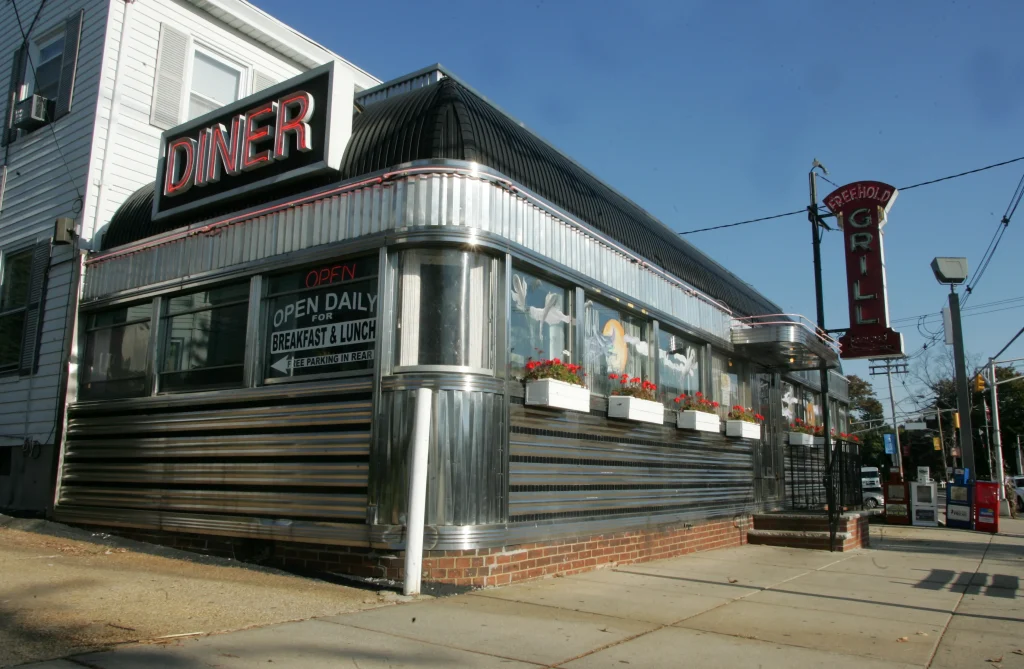
Few places capture the spirit of everyday American life quite like the American Diner. With its chrome exterior, neon signs, and the comforting aroma of coffee and sizzling bacon, the American Diner has long been a staple of the American roadside. More than just a place to grab a meal, the American Diner represents community, accessibility, and the unique culture that developed alongside America’s highways and growing towns.
For over a century, the American Diner has been where truck drivers, families, students, and travelers gather to share food and conversation. The welcoming booths, long lunch counters, and friendly waitstaff make the American Diner one of the most recognizable and beloved institutions in American culture.
The Humble Beginnings of the American Diner
The story of the American Diner begins in the late 1800s when entrepreneurs started selling food from horse-drawn lunch wagons. These wagons appeared in busy cities like Providence, Rhode Island, offering workers a hot meal late at night when most restaurants were closed.
These early food carts served simple items such as sandwiches, pie, coffee, and fried foods. Workers leaving factories and late-night theatergoers quickly embraced the idea. As demand grew, the lunch wagons evolved into small permanent structures that could serve more customers.
By the early 1900s, these structures became the first true American Diner buildings. Manufacturers began producing prefabricated diner buildings that could be transported and installed along busy streets and highways. This innovation allowed the American Diner concept to spread quickly across the country.
The Golden Age of the American Diner
The 1920s through the 1950s are often considered the golden age of the American Diner. During this period, diners became iconic fixtures along highways and in growing towns across the United States.
Many diners were built using stainless steel and designed to resemble railroad dining cars. This unique style became one of the defining visual features of the American Diner. Bright neon signs, large windows, and polished metal exteriors made these restaurants easy to spot for hungry travelers.
Inside, customers would find red vinyl booths, a long counter with spinning stools, and the comforting sound of a grill cooking burgers and eggs. The American Diner menu was simple but satisfying, offering classic comfort foods such as:
Pancakes and eggs
Cheeseburgers and fries
Meatloaf and mashed potatoes
Milkshakes and pie
Bottomless cups of hot coffee
The affordability and familiarity of these meals made the American Diner a favorite destination for people from all walks of life.
The American Diner and Roadside Culture
The rise of the automobile played a major role in the popularity of the American Diner. As highways expanded and Americans began traveling more frequently, diners became convenient stopping points for travelers.
Roadside American Diner restaurants appeared along major routes such as Route 66, offering drivers a welcoming place to rest and eat. Families on road trips, truck drivers hauling freight, and young couples exploring the country all found comfort in the warm glow of a diner sign late at night.
Because many diners stayed open 24 hours, the American Diner became known as a place where anyone could find a hot meal at any hour. Whether it was early morning breakfast or a late-night burger, the diner was always ready to serve.
A Gathering Place for Communities
While travelers certainly appreciated the convenience of diners, the American Diner also became a vital part of local communities. In small towns and city neighborhoods alike, diners served as informal gathering places where people could catch up on local news and share conversations over coffee.
Regular customers often formed close relationships with the staff and owners of their local American Diner. Waitresses might know a customer’s usual breakfast order before they even sat down, and friendly conversations across the counter created a sense of belonging.
For many communities, the American Diner functioned as a social hub where people from different backgrounds could meet on equal ground.
The American Diner in Popular Culture
Over the decades, the American Diner has become deeply embedded in American popular culture. Diners have appeared in countless movies, television shows, and photographs that capture everyday American life.
Scenes set in an American Diner often symbolize nostalgia, friendship, and simple moments shared between people. The familiar setting of booths, jukeboxes, and milkshakes has become a visual shorthand for classic American culture.
From road trip stories to late-night conversations over coffee, the American Diner continues to represent the warmth and accessibility of American hospitality.
The Modern Revival of the American Diner
While fast food chains and modern restaurants have changed the dining landscape, the American Diner continues to hold a special place in the hearts of many Americans. In recent years, diners have experienced a resurgence as people seek authentic, nostalgic dining experiences.
Many modern diners blend traditional menus with updated ingredients while preserving the classic diner atmosphere. Chrome finishes, vintage signage, and retro booths help recreate the timeless charm of the American Diner.
New generations are discovering that the appeal of a diner goes beyond the food. It is about the experience—the sound of a coffee cup being refilled, the smell of bacon on the grill, and the friendly conversation that happens across the counter.
Why the American Diner Still Matters
The enduring popularity of the American Diner speaks to something deeper than simple convenience. Diners represent a time when dining out was less about luxury and more about connection.
In a fast-paced world filled with digital interactions, the American Diner offers a reminder of the value of face-to-face conversation and shared meals.
Whether it sits on a busy city corner or along a quiet rural highway, the American Diner remains a comforting symbol of American hospitality and culture.
The neon lights may flicker late into the night, but the spirit of the American Diner continues to shine brightly across the country.