
The Strange Story of the Dancing Plague
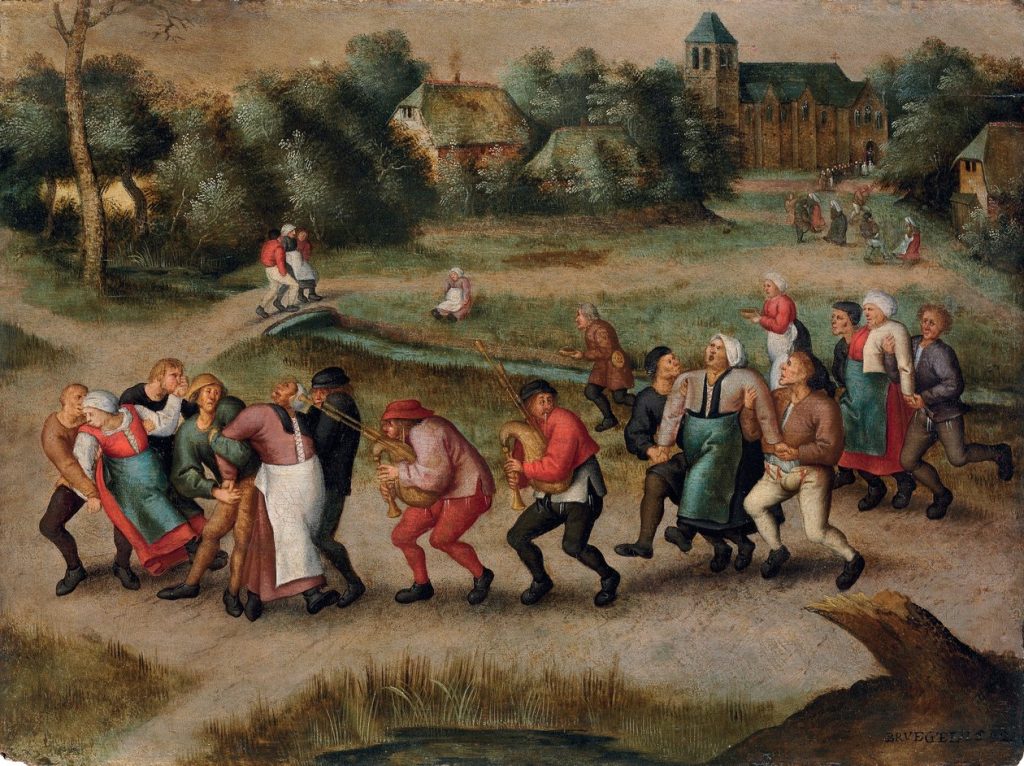
History is filled with unusual events, but few are as mysterious as the Dancing Plague of 1518. In the summer of that year, the city of Strasbourg—then part of the Holy Roman Empire—became the center of one of the most bizarre medical mysteries ever recorded. Dozens, and eventually hundreds, of people began dancing uncontrollably in the streets for days at a time.
What made the Dancing Plague so disturbing was that the dancers did not appear to be celebrating or performing. Instead, they seemed unable to stop moving, often dancing until they collapsed from exhaustion. Some reportedly suffered heart attacks, strokes, or extreme fatigue during the outbreak.
More than five hundred years later, historians and scientists still debate what caused the Dancing Plague, making it one of the strangest events in European history.
How the Dancing Plague Began
The Dancing Plague reportedly began in July of 1518 when a woman named Frau Troffea stepped into a street in Strasbourg and began dancing. At first, it appeared to be a strange but isolated event. However, she continued dancing for hours—and then for days.
Soon, others joined her. Within a week, more than thirty people were dancing uncontrollably in the streets. By August, historical records suggest that the number of dancers had grown to around four hundred people.
The Dancing Plague was not a joyful celebration. Witnesses described people grimacing in pain while continuing to move their bodies rhythmically. Many dancers begged for help but seemed unable to stop.
This disturbing scene quickly attracted attention from local authorities and physicians.
The Authorities’ Bizarre Solution
City leaders were deeply concerned about the growing Dancing Plague. However, the medical understanding of the time was very different from modern science. Physicians believed the dancers were suffering from a condition known as “hot blood.”
Their solution was unusual. Rather than trying to stop the dancing, officials believed the dancers needed to continue moving until the illness passed. To encourage this, they constructed stages and hired musicians to provide music for the afflicted.
In other words, the city attempted to treat the Dancing Plague by encouraging more dancing.
This decision had the opposite effect. With music and space provided, the number of participants increased. The outbreak grew worse as exhausted dancers continued moving for hours or even days at a time.
The Toll of the Dancing Plague
The Dancing Plague soon became deadly. Contemporary reports suggest that some dancers collapsed from exhaustion, dehydration, or heart failure. While the exact number of deaths remains debated among historians, the event clearly caused serious suffering.
Witnesses described people dancing through extreme pain while crowds watched in confusion and fear. Some participants reportedly tied cloth around their feet to prevent injuries, but the nonstop movement made injuries unavoidable.
Eventually, authorities realized that encouraging the dancing was making the Dancing Plague worse.
The dancers were taken to a shrine dedicated to Saint Vitus, a saint historically associated with neurological disorders. Religious rituals were performed, and the dancers were given red shoes that had been blessed.
Gradually, the outbreak subsided.
Theories Behind the Dancing Plague
For centuries, scholars have debated the cause of the Dancing Plague. Several explanations have been proposed, though none fully explain the event.
Ergot Poisoning
One of the earliest theories suggests the Dancing Plague was caused by ergot poisoning. Ergot is a fungus that grows on rye grain and can produce chemical compounds similar to LSD. Consuming contaminated bread could theoretically cause hallucinations or convulsions.
However, many historians believe this explanation is unlikely. Ergot poisoning typically causes muscle spasms rather than coordinated dancing for extended periods.
Mass Psychogenic Illness
Today, many experts believe the Dancing Plague was an example of mass psychogenic illness—sometimes called mass hysteria. In this scenario, extreme stress and psychological pressure can cause physical symptoms to spread through a population.
The early 1500s were a time of significant hardship in Strasbourg. Famine, disease, and social instability created an environment where collective psychological stress was very high.
Under these conditions, the Dancing Plague may have spread through suggestion and shared anxiety.
Religious and Cultural Influences
Another theory suggests the Dancing Plague may have been influenced by religious beliefs. During the Middle Ages, many people believed Saint Vitus could curse individuals with uncontrollable dancing as punishment.
Fear of this curse may have contributed to the spread of the Dancing Plague as people became convinced they were affected.
Other Historical Dancing Outbreaks
Although the Dancing Plague of 1518 is the most famous case, similar outbreaks occurred in other parts of Europe during the Middle Ages.
These events, sometimes called “dancing mania,” appeared in Germany, France, and the Netherlands between the 13th and 16th centuries. In each case, groups of people danced for long periods without apparent control.
The Strasbourg Dancing Plague remains the most well-documented example because of the detailed city records that describe the outbreak.
Why the Dancing Plague Still Fascinates Historians
The Dancing Plague continues to intrigue historians, psychologists, and medical researchers. Unlike many historical mysteries, the event was well documented by local authorities and witnesses.
Despite these records, the true cause of the Dancing Plague remains uncertain. The event highlights how powerful psychological and social forces can affect human behavior.
It also serves as a reminder that medical knowledge has evolved dramatically over the centuries.
A Bizarre Chapter in History
More than five hundred years later, the Dancing Plague remains one of the strangest events ever recorded. The idea that hundreds of people could dance uncontrollably for days challenges our understanding of both history and human psychology.
Whether caused by psychological stress, environmental factors, or cultural beliefs, the Dancing Plague stands as a fascinating and mysterious chapter in the story of human behavior.
Even today, the strange events of Strasbourg in 1518 continue to spark curiosity and debate among historians around the world.