County Fairs in America - Why They Remain the Heart of Small-Town Culture
County Fairs in America have been here long before social media feeds and streaming entertainment filled our evenings, communities across the United States gathered each year for one simple reason: the county fair. These vibrant gatherings of livestock shows, carnival rides, homemade pies, and local pride remain one of the most enduring traditions in American culture.
Even in a fast-paced digital world, county fairs continue to draw crowds of families, farmers, and travelers who want to reconnect with something authentic. They represent more than just entertainment—they embody the spirit of small-town America.
A Tradition Rooted in American History
County Fairs in America have been a part of American life since the early 1800s. Originally organized by agricultural societies, these events were designed to give farmers a place to showcase their crops, livestock, and farming innovations. In a time when agriculture was the backbone of the nation’s economy, fairs were an important way for farmers to share ideas, learn new techniques, and celebrate successful harvests.
Communities gathered to exchange knowledge about farming practices, livestock breeding, and crop production. Awards were given for the best animals, the largest pumpkins, or the most productive crops. These friendly competitions encouraged farmers to improve their skills while strengthening the bonds between neighboring communities.
Over time, these practical agricultural exhibitions evolved into the lively community festivals we know today. While modern fairs include entertainment and attractions, their roots remain deeply tied to the agricultural heritage of the United States.
Today’s county fairs still reflect those traditions. Livestock competitions, tractor displays, and crop judging remain staples at fairs across the country, reminding visitors of the nation’s deep farming history and the hardworking families who continue to feed America.
The Food That Defines the Fair
No county fair experience is complete without the unforgettable food that fills the air with irresistible aromas.
From funnel cakes dusted with powdered sugar to corn dogs sizzling in hot oil, fair food has become a cultural tradition all its own. Many people attend the fair as much for the food as they do for the rides and entertainment.
Local vendors often compete to create the most creative—and sometimes outrageous—deep-fried treats. Fried Oreos, fried pickles, and even fried butter have all found their way onto county fair menus in recent years. These indulgent foods may not be everyday meals, but they are part of the fun and excitement that make fairs unique.
Beyond novelty foods, county fairs also highlight regional flavors that reflect the culture of the area. Barbecue, kettle corn, homemade pies, roasted corn, turkey legs, and fresh lemonade bring together the comforting tastes that define American fair traditions.
For many visitors, the smell of popcorn and barbecue drifting through the fairgrounds is enough to bring back memories of childhood summers and family outings.
A Celebration of Community
Perhaps the most powerful part of county fairs in America is the sense of community they create.
For a few days each year, the fairgrounds become the heart of the town. Neighbors reconnect, friends catch up, and families spend entire days exploring exhibits and enjoying the attractions.
Children experience carnival rides for the first time while grandparents share stories of the fairs they attended decades ago. Generations come together in a way that is becoming increasingly rare in modern life.
Local organizations, churches, and schools often participate as well, turning the fair into a gathering place for the entire region. Students showcase school projects, bakers enter homemade pie contests, and artists display their crafts and creations.
In many small towns, the county fair is still the largest annual event of the year. People travel from neighboring towns and counties to attend, creating a sense of excitement that spreads throughout the community.
Where Tradition Meets Entertainment
Modern county fairs blend tradition with entertainment, offering something for visitors of all ages.
While agricultural exhibitions remain an important part of the fair, the attractions have expanded over the years to include a wide variety of entertainment.
Visitors can expect to find:
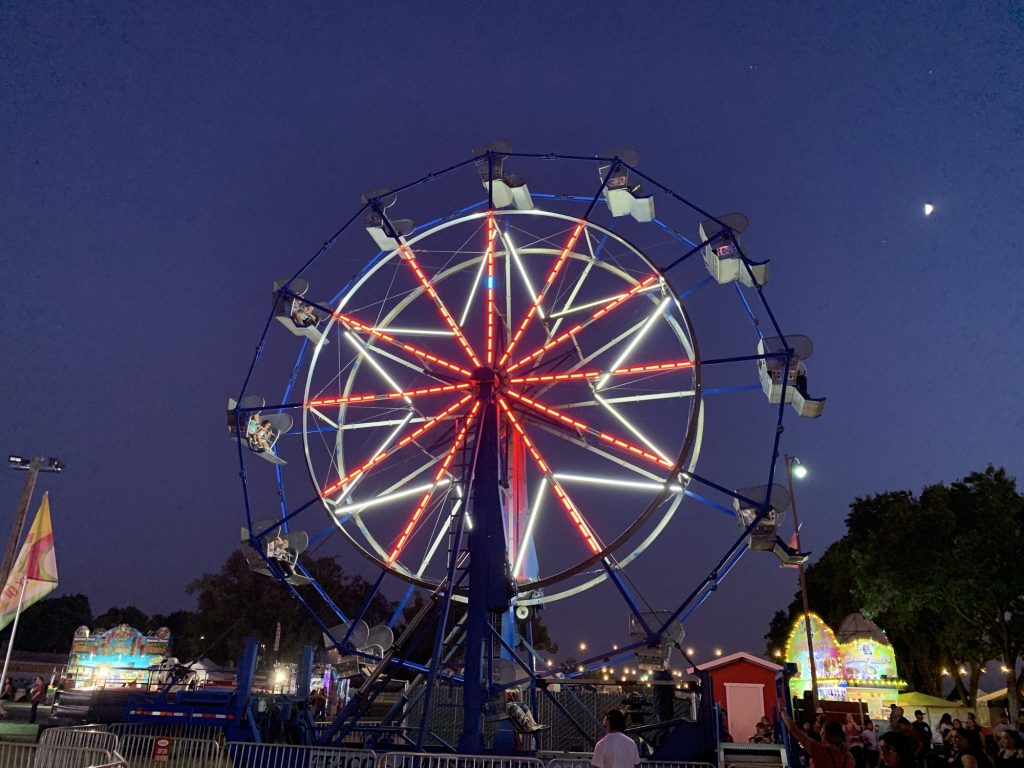
Carnival rides and midway games
Live music and local bands
Rodeos and tractor pulls
4-H and FFA livestock competitions
Craft and baking contests
Demolition derbies and motorsports
Petting zoos and children’s activities
These events bring energy and excitement while preserving the cultural traditions that have defined fairs for generations. The bright lights of the midway, the sound of live music drifting across the fairgrounds, and the laughter of families enjoying the rides all create a lively atmosphere that makes county fairs unforgettable.
Why County Fairs in America Still Matter
In an era where many experiences happen online, county fairs remain refreshingly real. They offer something that cannot be replicated on a screen—the opportunity to gather with neighbors, celebrate local traditions, and experience community life in its most genuine form.
County fairs remind us that community still matters. They celebrate the hard work of farmers, artisans, and local businesses who contribute to the identity of small towns across the country.
Most importantly, they bring people together across generations. Young children experience traditions for the first time, while older generations pass down stories and memories that keep those traditions alive.
For a few days each year, the lights of the midway glow, the smell of barbecue fills the air, and small towns across America gather to celebrate the traditions that continue to shape the nation.
And that is why county fairs remain one of the most cherished traditions in American culture—and why they will likely continue to bring communities together for generations to come.