
Why Black-Eyed Peas Are Associated with Good Luck
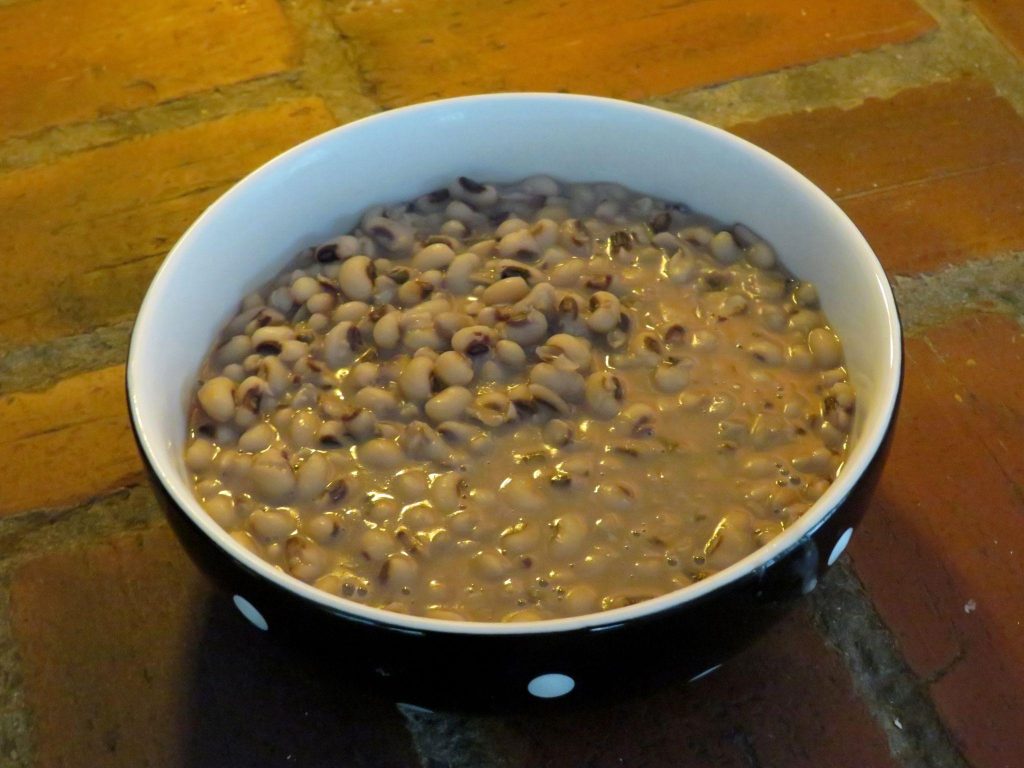
Across the United States—especially in the South—one New Year’s tradition has stood the test of time: eating black-eyed peas for good luck. Every January 1st, families gather around the table to enjoy dishes made with black-eyed peas in hopes of bringing prosperity, health, and good fortune for the year ahead.
The tradition of eating black-eyed peas for good luck is deeply rooted in Southern culture and has been passed down through generations. For many households, the new year simply does not begin until a bowl of black-eyed peas is served alongside cornbread, collard greens, and other classic dishes.
While it may seem like a simple meal, the tradition of black-eyed peas for good luck carries centuries of history and cultural meaning.
The Origins of Black-Eyed Peas for Good Luck
The story behind black-eyed peas for good luck dates back hundreds of years. Black-eyed peas originally came from Africa and were introduced to the Americas through the transatlantic slave trade. Over time, they became a staple crop in the Southern United States because they were inexpensive, easy to grow, and highly nutritious.
One popular explanation for the tradition of black-eyed peas for good luck comes from the American Civil War. During General William T. Sherman’s famous March to the Sea in 1864, Union troops destroyed many Confederate food supplies. However, they often left behind black-eyed peas and other legumes because they were considered food for livestock rather than people.
For many Southerners, those overlooked black-eyed peas became one of the few remaining sources of food during the difficult winter that followed. As a result, people began associating black-eyed peas with survival, resilience, and good fortune. Over time, eating black-eyed peas for good luck became a New Year’s tradition meant to bring prosperity in the year ahead.
The Symbolism Behind the New Year’s Meal
The tradition of black-eyed peas for good luck often includes several other foods that carry symbolic meanings. Together, these dishes are believed to represent prosperity and abundance for the coming year.
Common foods served alongside black-eyed peas include:
Collard greens – Represent wealth and money because of their green color.
Cornbread – Symbolizes gold or financial prosperity.
Pork – Often included because pigs root forward when they eat, representing progress and moving ahead in life.
Rice – In dishes like Hoppin’ John, rice symbolizes abundance.
When combined, these foods create a meal that many believe will attract prosperity and success. For those who follow the tradition closely, eating black-eyed peas for good luck is an essential part of starting the new year on the right foot.
Hoppin’ John: The Classic Black-Eyed Pea Dish
One of the most famous dishes associated with black-eyed peas for good luck is Hoppin’ John. This traditional Southern recipe combines black-eyed peas with rice, onions, and pork such as bacon or ham.
Hoppin’ John has been enjoyed for generations throughout the American South. The dish is simple but flavorful, making it a popular centerpiece for New Year’s Day meals.
Although the exact origin of the name is unclear, the dish became widely associated with the tradition of eating black-eyed peas for good luck. Some families even believe that eating extra servings will bring even more prosperity during the coming year.
Regional Variations of the Tradition
While the tradition of black-eyed peas for good luck is strongest in the Southern United States, variations of the custom appear in other parts of the country as well.
In Texas and other parts of the Southwest, spicy versions of black-eyed peas are sometimes served with jalapeños or smoked meats. In Louisiana, black-eyed peas may be included in Creole-style dishes featuring sausage and bold seasonings.
Despite regional differences in preparation, the core belief remains the same: eating black-eyed peas for good luck is a symbolic way to welcome prosperity and good fortune.
How the Tradition Spread Across America
Over time, the tradition of black-eyed peas for good luck spread beyond the South. As families moved to other parts of the United States, they brought their New Year’s customs with them.
Today, many Americans who do not have Southern roots still participate in the tradition. Grocery stores across the country often promote black-eyed peas in late December as people prepare their New Year’s meals.
Restaurants also join in the celebration by featuring special dishes that highlight the tradition of black-eyed peas for good luck.
A Tradition That Brings Families Together
One of the reasons the tradition of black-eyed peas for good luck continues to thrive is that it brings families together. Preparing the meal often involves recipes that have been passed down through generations.
For many people, the dish carries memories of family gatherings, holiday meals, and the excitement of welcoming a new year. Even those who may not fully believe in the superstition enjoy participating in the tradition.
In this way, the custom of eating black-eyed peas for good luck has become as much about family and heritage as it is about fortune.
A Lucky Start to the New Year
Whether eaten as part of a full Southern feast or simply enjoyed in a bowl by themselves, black-eyed peas for good luck remain one of America’s most beloved New Year’s traditions.
The simple dish represents hope, resilience, and the promise of better days ahead. For generations, families have begun each year by sharing this humble food in the belief that it will bring prosperity and happiness.
Even in a modern world filled with new traditions and celebrations, the custom of eating black-eyed peas for good luck continues to connect people with the past while offering a hopeful start to the future.