
The American Farmers Market: Where Community and Tradition Meet
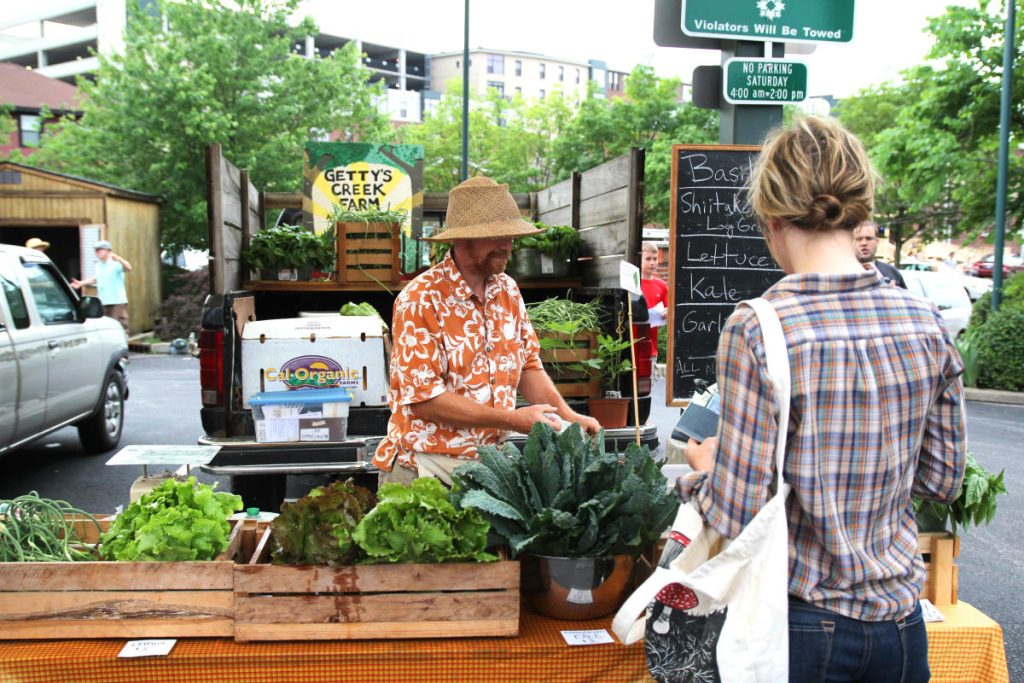
The American Farmers Market is more than just a place to buy fresh produce. It is a living tradition that represents community, local agriculture, and the enduring spirit of small-town America. For generations, the American Farmers Market has served as a gathering place where farmers, artisans, and neighbors meet face-to-face to exchange not only goods but also stories, recipes, and traditions.
Across the United States, the American Farmers Market has become a symbol of local pride. From bustling city squares to quiet rural towns, these markets bring communities together in a way few modern retail experiences can replicate. The familiar sight of colorful produce stands, homemade baked goods, and handcrafted items creates an atmosphere that feels both nostalgic and timeless.
Today, the American Farmers Market continues to grow in popularity as more people seek fresh, locally sourced food and meaningful connections with the people who grow it.
A History Rooted in Early America
The origins of the American Farmers Market trace back to the earliest days of the United States. In colonial towns, farmers would travel into town centers to sell their goods directly to residents. These early markets were essential to daily life, allowing communities to purchase fresh fruits, vegetables, meat, and dairy products without relying on distant suppliers.
One of the oldest examples of the American Farmers Market tradition is the market culture that developed in cities like Philadelphia, Boston, and New York during the 1700s. Public markets were established to ensure fair trade and access to fresh food for growing populations.
As the country expanded westward, the concept of the American Farmers Market traveled with it. Small towns across the Midwest, South, and West created their own local markets where farmers could sell surplus crops and residents could gather weekly for fresh food and conversation.
Even during periods when supermarkets dominated the food industry, the American Farmers Market remained a cherished tradition in many communities.
Fresh Food Straight From the Source
One of the biggest reasons people love the American Farmers Market is the quality and freshness of the food. Unlike grocery store produce that may travel hundreds or even thousands of miles, food at an American Farmers Market often comes directly from farms just a few miles away.
Shoppers visiting an American Farmers Market can expect to find:
Fresh seasonal fruits and vegetables
Farm-raised eggs and dairy products
Locally raised meats
Homemade jams, honey, and baked goods
Handcrafted foods like pickles, salsa, and sauces
Because the products are typically harvested shortly before the market opens, the flavor and nutritional value are often far superior to mass-produced alternatives. This farm-to-table connection is one of the defining features of the American Farmers Market experience.
Supporting Local Farmers and Small Businesses
Another reason the American Farmers Market remains so important is its role in supporting local farmers and small businesses. When people shop at an American Farmers Market, they are directly supporting the individuals who grow and produce the food.
For many small farms, the American Farmers Market provides an essential source of income. Selling directly to customers allows farmers to receive a fair price for their work without the middlemen that often reduce profits in traditional distribution systems.
Beyond farmers, the American Farmers Market also supports local artisans and food entrepreneurs. Handmade crafts, baked goods, and specialty food products often find their first customers at these markets.
In many ways, the American Farmers Market functions as a small-business incubator where local makers can introduce their products to the community.
A Social Gathering Place
While food is at the center of every American Farmers Market, the real magic often lies in the social experience. Markets provide a welcoming place where neighbors meet, families spend time together, and communities reconnect.
On a typical Saturday morning at an American Farmers Market, visitors might hear live music, watch children playing near the produce stands, or see friends greeting each other between vendors. Farmers often share cooking tips, seasonal recipes, and stories about the crops they grow.
This human connection is something that modern retail environments often lack. The American Farmers Market brings back the simple joy of meeting the person who grew your food.
The Modern Revival of the American Farmers Market
Over the past few decades, the American Farmers Market has experienced a remarkable revival. According to agricultural organizations, the number of farmers markets in the United States has grown dramatically since the 1990s.
Several factors have fueled this resurgence:
Increased interest in locally grown food
Awareness of sustainable agriculture
Desire to support small farms and local economies
The popularity of farm-to-table cooking
As a result, the American Farmers Market has become a staple in both rural communities and major cities. Urban markets now attract thousands of visitors each week, while smaller town markets maintain the intimate community feel that has always defined the tradition.
Why the American Farmers Market Still Matters
In an age dominated by online shopping and large retail chains, the American Farmers Market offers something refreshingly authentic. It reconnects people with their food, their farmers, and their neighbors.
The American Farmers Market represents a slower, more personal way of doing business—one rooted in trust, tradition, and community values. For many families, visiting the market has become a weekly ritual that signals the arrival of the weekend.
Children learn where food comes from, adults discover new flavors, and farmers share the fruits of their labor with the people they serve.
A Tradition That Continues to Grow
The enduring popularity of the American Farmers Market proves that some traditions never go out of style. As long as communities value fresh food, local agriculture, and meaningful connections, the American Farmers Market will continue to thrive.
Whether it takes place in a bustling city plaza or a quiet small-town square, the American Farmers Market remains one of the most authentic and beloved traditions in American culture.
It is not just a market.
It is a meeting place, a tradition, and a celebration of the hardworking farmers who help feed the nation.